Vitamin B12 supports daily energy, focus, and nervous system function.
For people following a vegan diet, getting enough B12 can be more challenging.
Active vitamin B12 is not naturally present in plant foods. Even well-planned vegan diets may fall short without fortified foods or supplements. This is why B12 is often discussed alongside energy and mental clarity in plant-based wellness routines.
To better understand this connection, explore why vitamin B12 plays a key role in daily energy and mental clarity.
Vegan B12 Deficiency Symptoms to Know
B12 levels tend to decline slowly. Early signs can be subtle and easy to overlook.
Common early signs
- Ongoing fatigue
- Low or inconsistent energy
- Brain fog or trouble focusing
Signs that may appear over time
- Tingling or numbness in hands or feet
- Balance or coordination issues
Because these symptoms can overlap with stress or seasonal fatigue, they are sometimes mistaken for lifestyle burnout. Looking at natural ways to boost energy without overstimulation can help put nutrition into context.

How Much B12 Do Vegans Need?
The general daily recommendation for adults is 2.4 mcg.
Supplement amounts are often higher because only a portion of B12 is absorbed at one time.
Both daily lower-dose and less frequent higher-dose approaches can work. The most effective option is the one you will use consistently.
Absorption plays an important role here. Understanding how quick-dissolving oral strips support absorption helps explain why format matters, not just dosage.
Best Forms of B12 for Vegans

Methylcobalamin vs Cyanocobalamin
Both forms of vitamin B12 are commonly used. Many people prefer methylcobalamin because it is an active form the body can use directly.
Delivery method also matters. A closer look at oral strips versus traditional pills shows how ease of use affects long-term consistency.
Common delivery formats
- Swallowed pills
- Sublingual tablets
- Oral dissolving strips
Ease of use plays a major role in daily follow-through.

Different formats suit different lifestyles. The key is choosing one you will actually use.
Pills: These are widely available and best for budget-focused users, though they can be hard to swallow.
Sublingual tablets: Designed for those with moderate needs, these dissolve under the tongue but can be chalky or slow to dissolve.
Oral dissolving strips: This newer format is best for convenience seekers because they dissolve quickly without the need for water.

Vegan-Friendly B12 Food Sources
Some foods contain added B12 through fortification.
Common examples include:
- Nutritional yeast
- Fortified plant milks
- Fortified cereals
These foods can help, but intake varies. This is similar to other nutrients where fortified foods alone may not always be enough, such as the role of vitamin D3 in immune and bone support.
Testing Your B12 Levels as a Vegan
Testing can help confirm whether your routine is working.
General guidance:
- Consider testing every 6 to 12 months
- Ask for serum B12 levels
- Some providers may also check MMA levels
Testing is especially useful during routine changes or travel.

Calmour
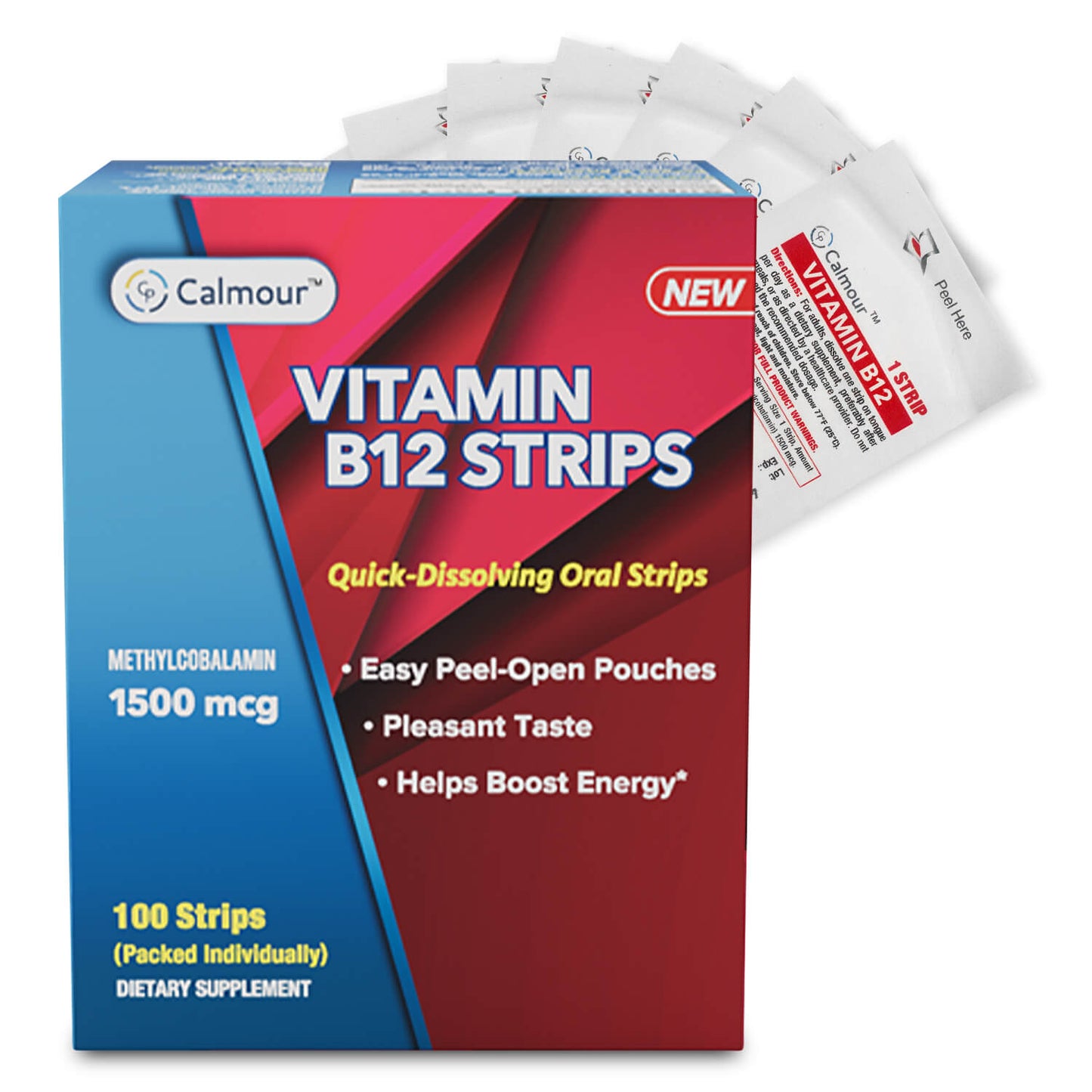
Calmour Vitamin B12 Strips



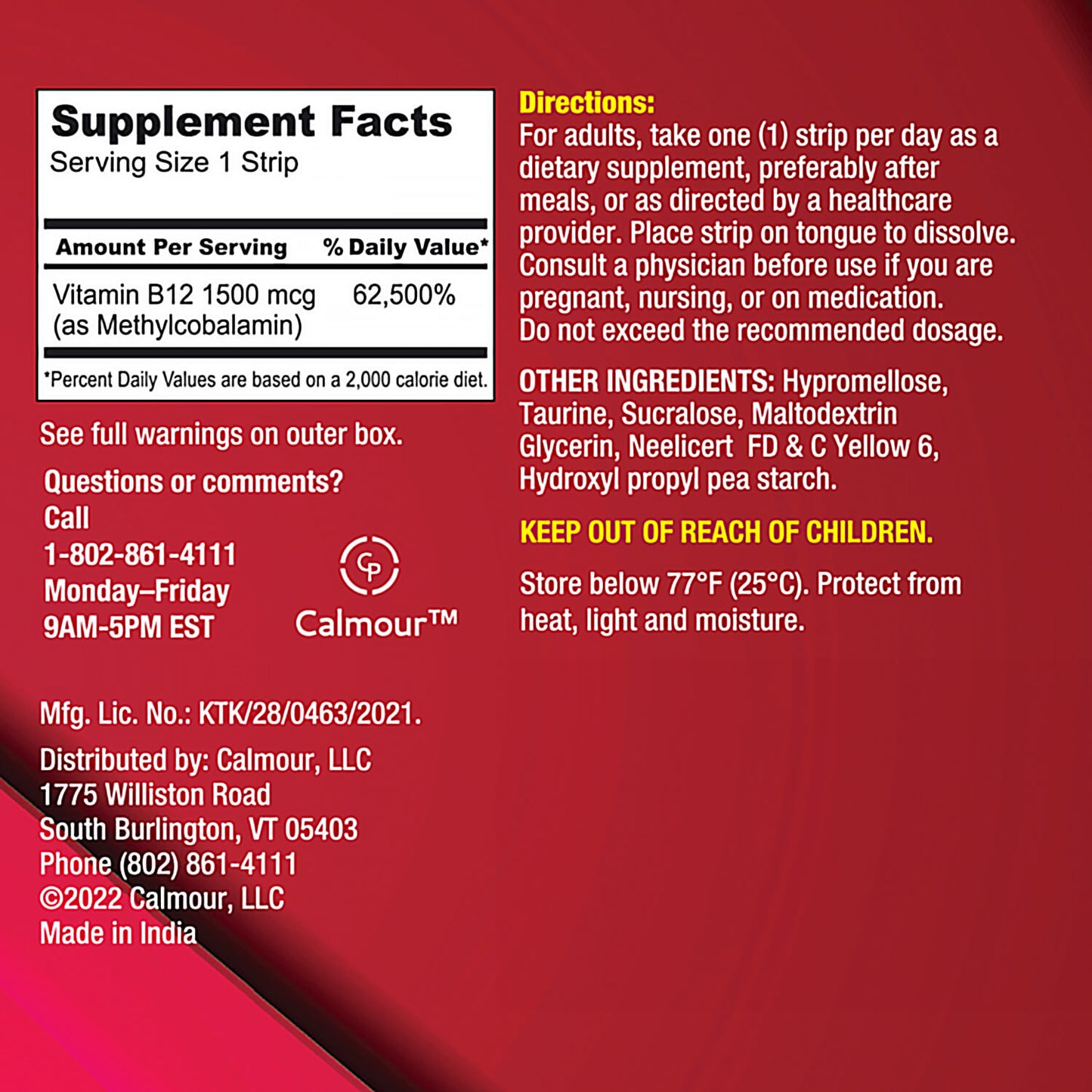
A Simple Way to Support B12 Intake Daily
Wellness routines work best when they are easy to follow.
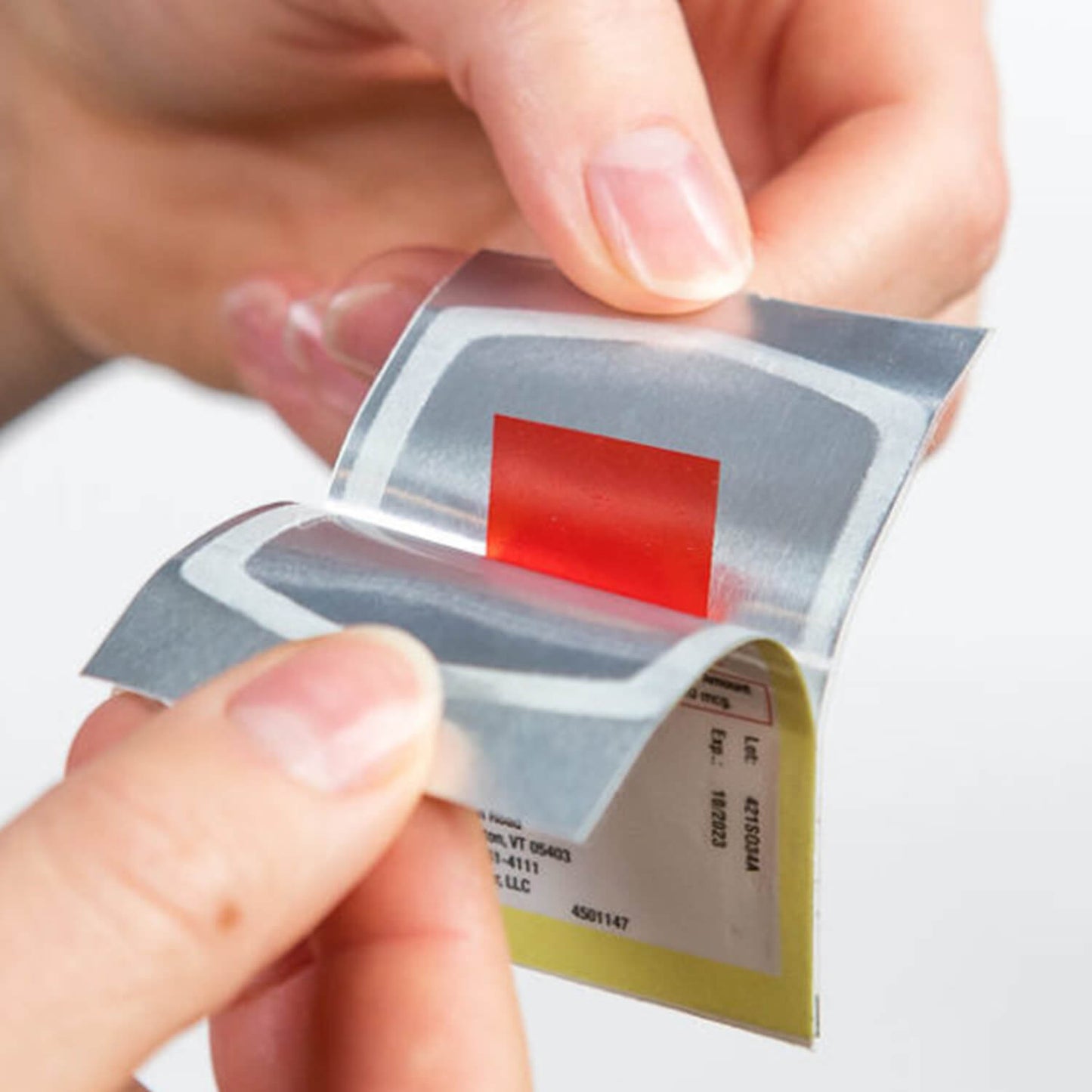
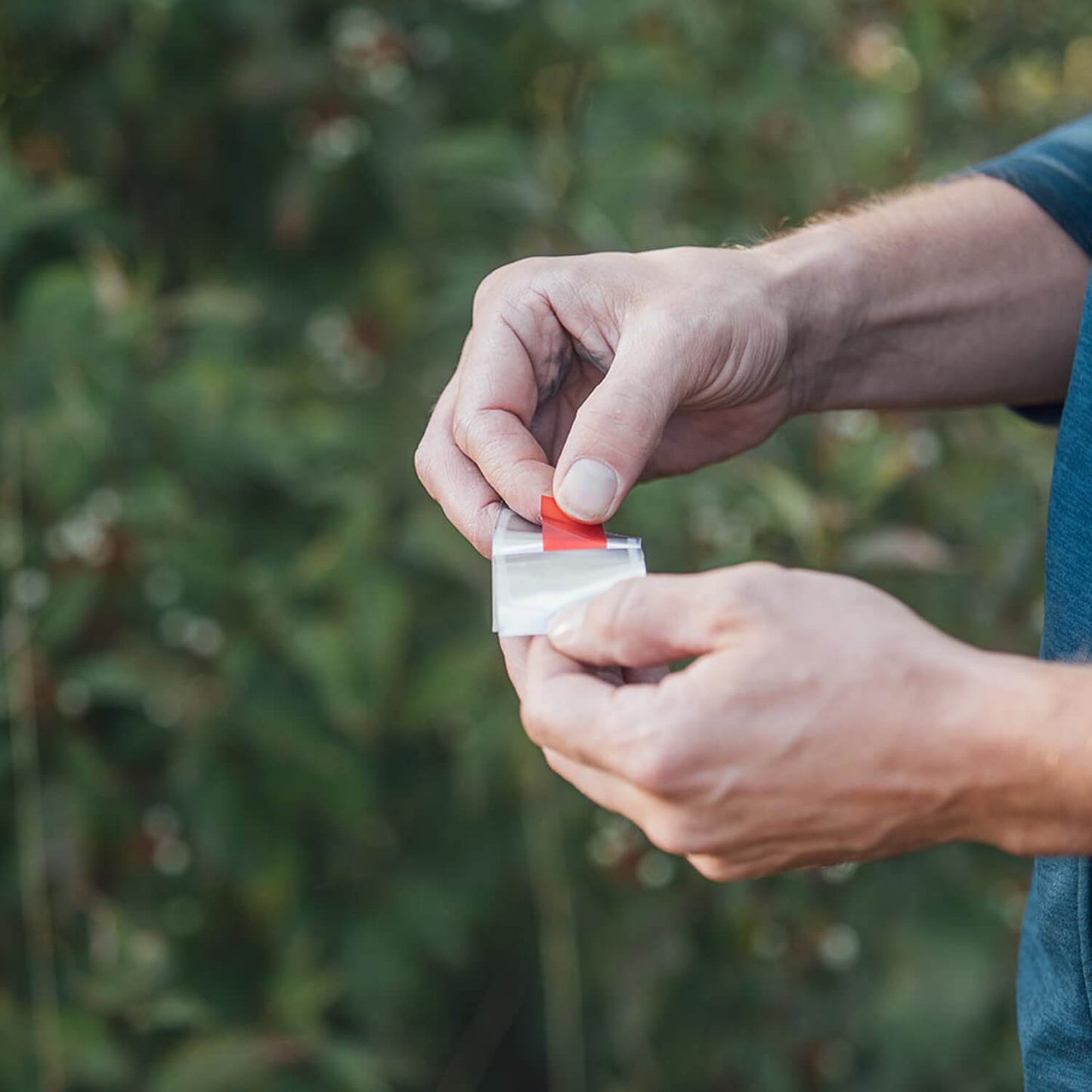
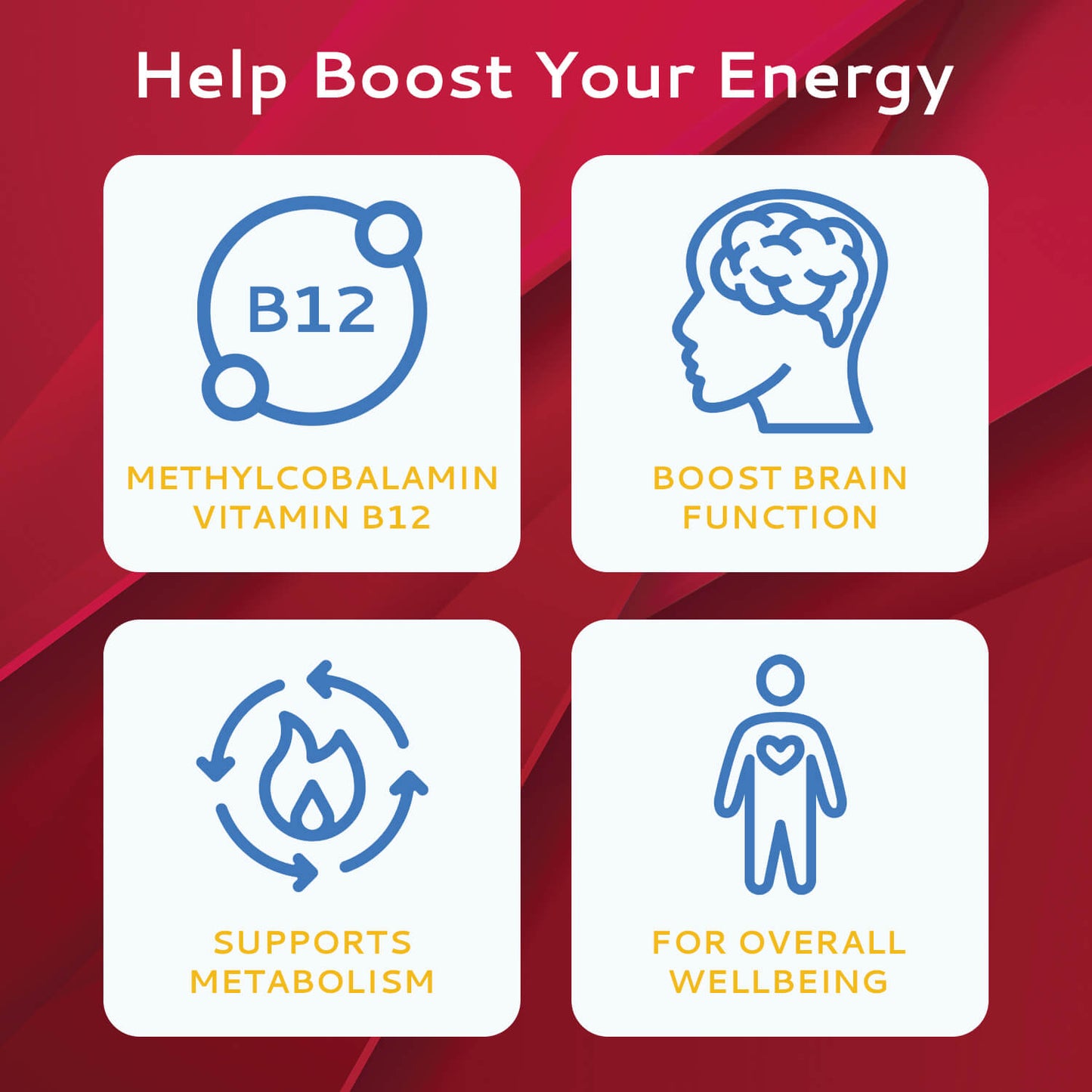
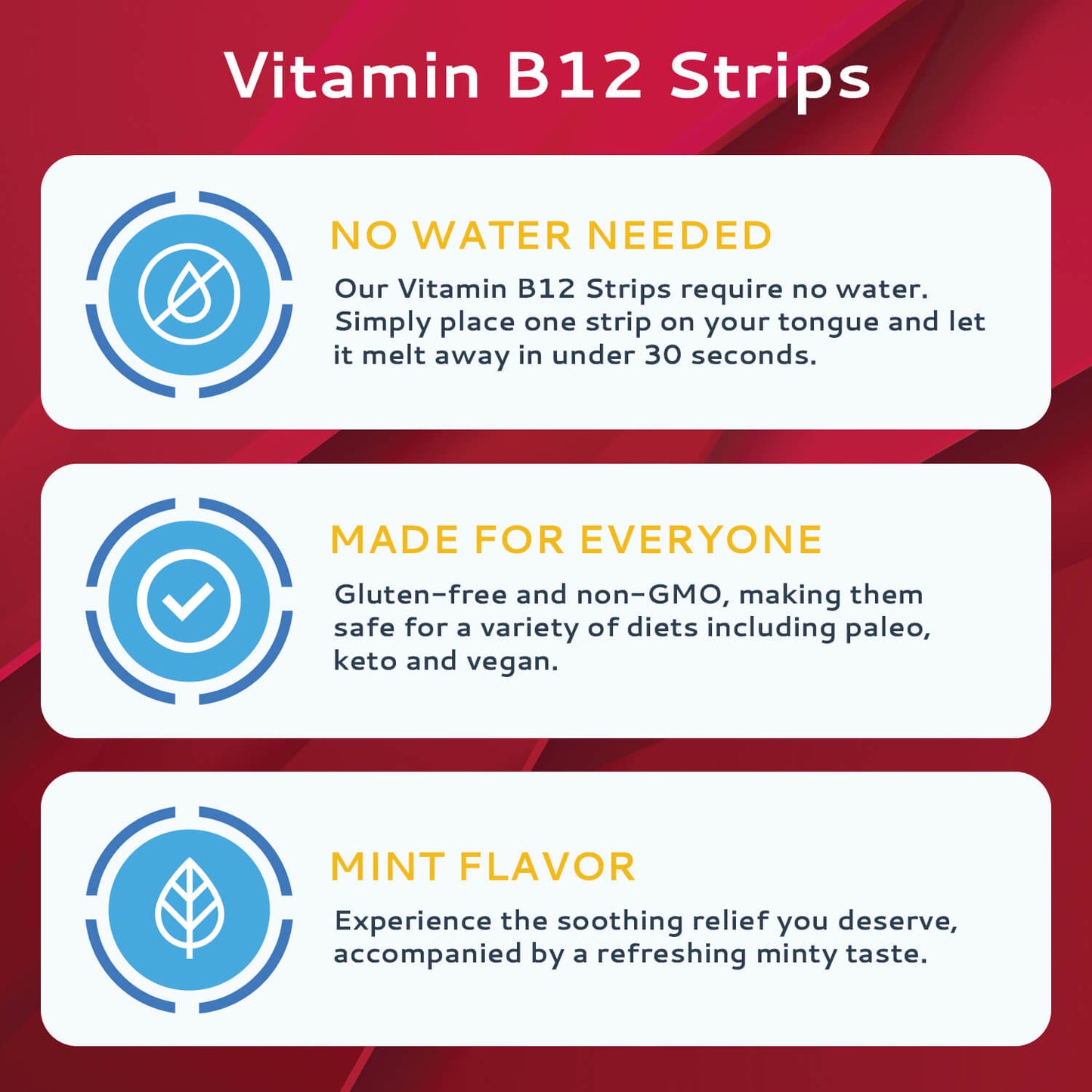
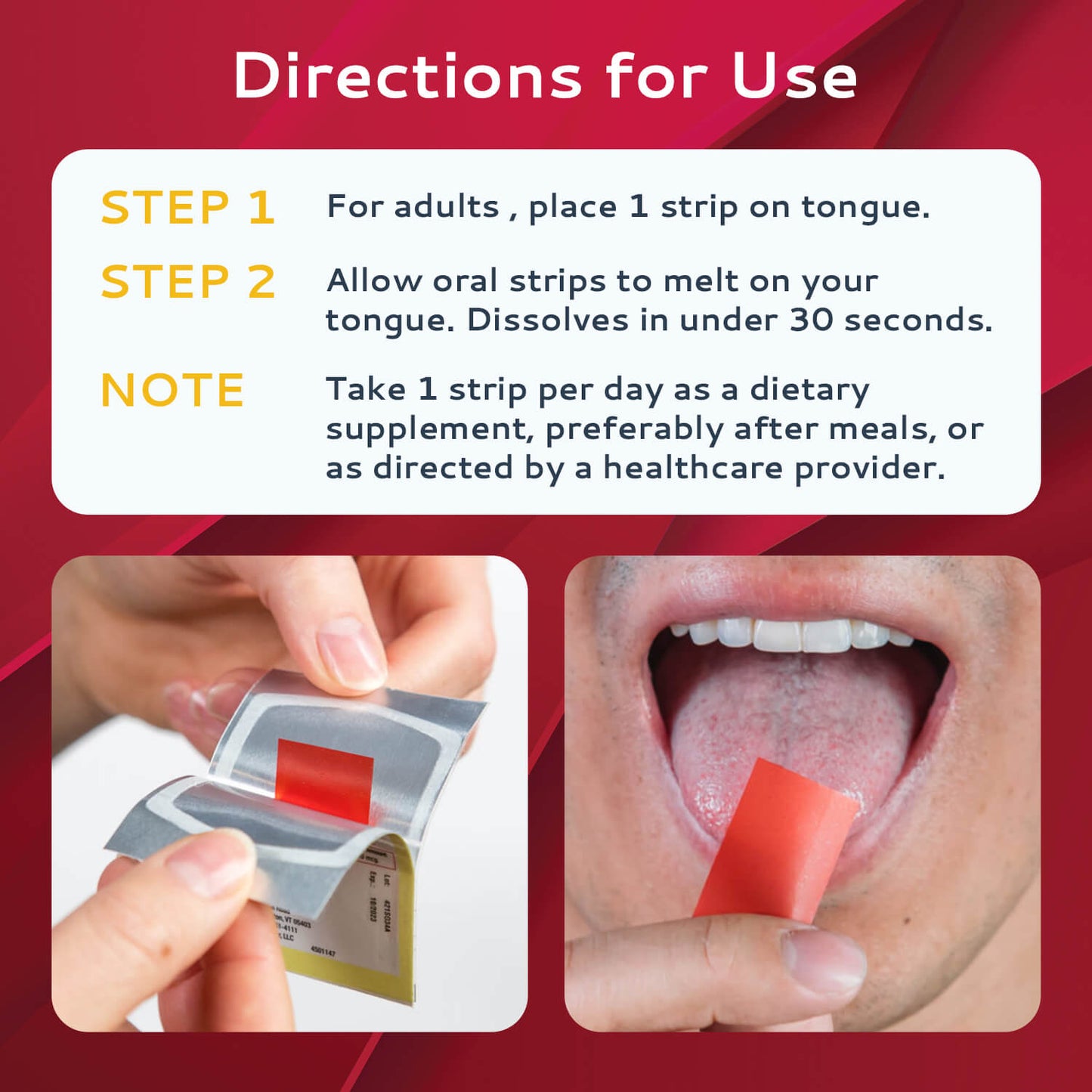
Quick-dissolve oral strips offer a practical option for vegans who want simplicity without extra steps.
No water. No swallowing. Easy to take anywhere. This approach fits naturally alongside travel-friendly sleep or energy support tools.
Need more information?
Frequently Asked Questions
Collapsible content
Can vegans get B12 from plants?
No. Active vitamin B12 is not naturally found in plant foods. Vegans usually rely on fortified foods or supplements to meet daily B12 needs.
Do vegans need a B12 supplement?
Most vegans benefit from a B12 supplement because common plant foods do not provide reliable amounts of active B12. Supplementation helps support consistent intake as part of a daily wellness routine.
What are common vegan B12 deficiency symptoms?
Early signs may include fatigue, low energy, and brain fog. Over time, some people notice tingling in the hands or feet or difficulty concentrating. Symptoms can vary and often develop slowly.
How long does it take for vegans to become B12 deficient?
Low B12 intake may take several years to show noticeable symptoms. This is why many vegans choose to support B12 intake proactively rather than waiting for signs to appear.
How much B12 should vegans take?
The general recommendation for adults is 2.4 mcg daily. Supplements often provide higher amounts because only a portion of B12 is absorbed at one time. Many people choose a daily or less frequent routine based on what fits best.
What is the best time to take B12?
Many people prefer taking B12 in the morning as part of a daily routine. The most important factor is consistency, not the exact time of day.
Are all B12 supplements vegan?
Not always. Some supplements may contain animal-derived ingredients such as gelatin. Vegans should check labels carefully or choose options clearly marked as vegan-friendly.
Are oral dissolving B12 strips effective?
Oral dissolving strips dissolve on the tongue and support sublingual absorption. They are often chosen for convenience, especially by people who prefer not to swallow pills.
Can fortified foods replace B12 supplements?
Fortified foods can contribute to B12 intake, but amounts vary by product and serving size. For most vegans, supplements offer a more consistent and reliable option.
Can fortified foods replace B12 supplements?
Fortified foods can contribute to B12 intake, but amounts vary by product and serving size. For most vegans, supplements offer a more consistent and reliable option.
Should vegans test their B12 levels?
Some vegans choose to test B12 levels every 6 to 12 months to see how their routine is working. Testing can provide helpful insight when adjusting wellness habits.
Disclaimer: The content of this page is for informational purposes only and should not be considered medical advice. Consult with a physician before making changes to your diet or supplement regimen.